The Big Deal by Maryna Brodovska

The project explores Ukraine’s nuclear disarmament and its impact on the landscape, memory, and collective imagination.
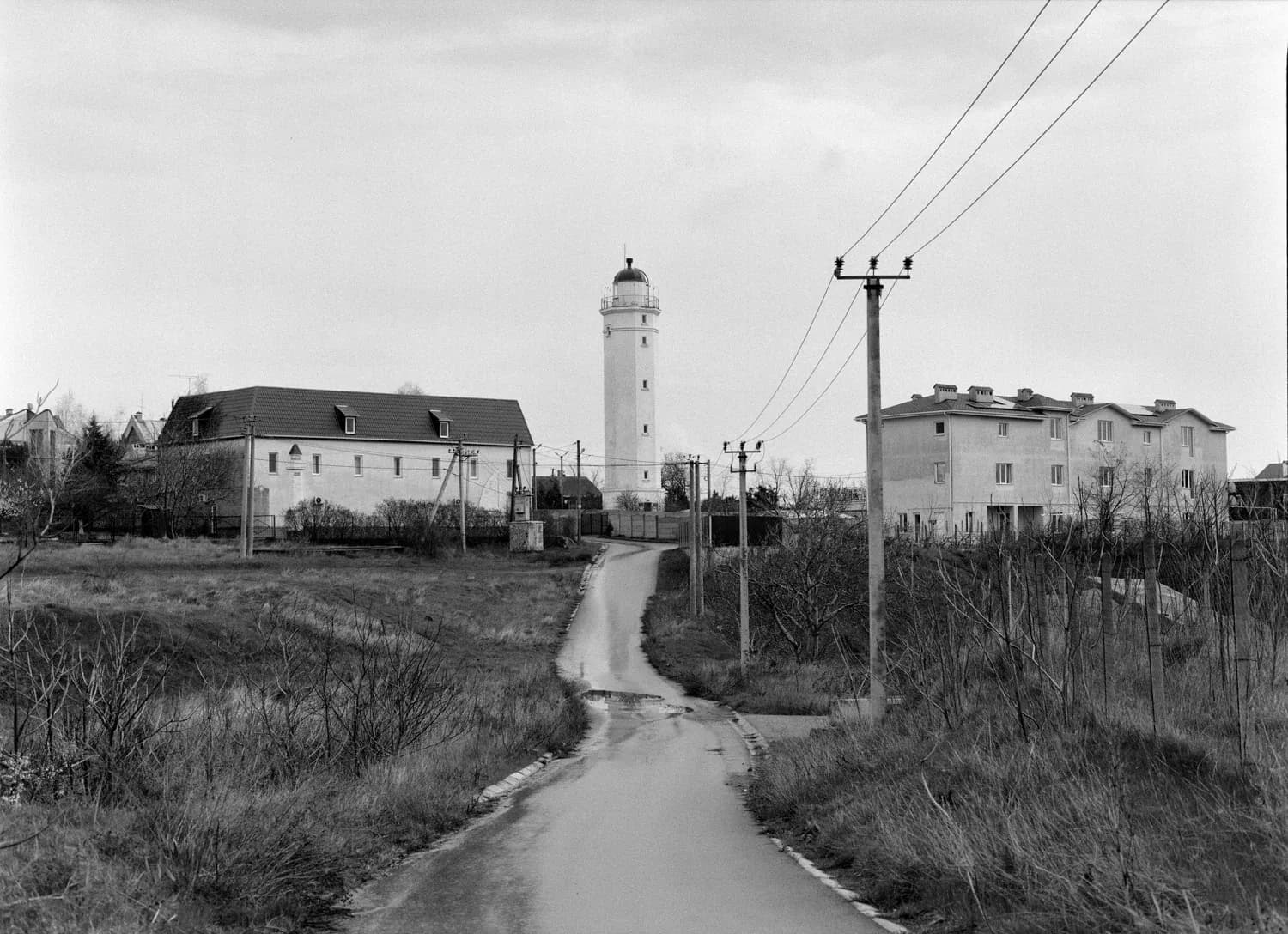
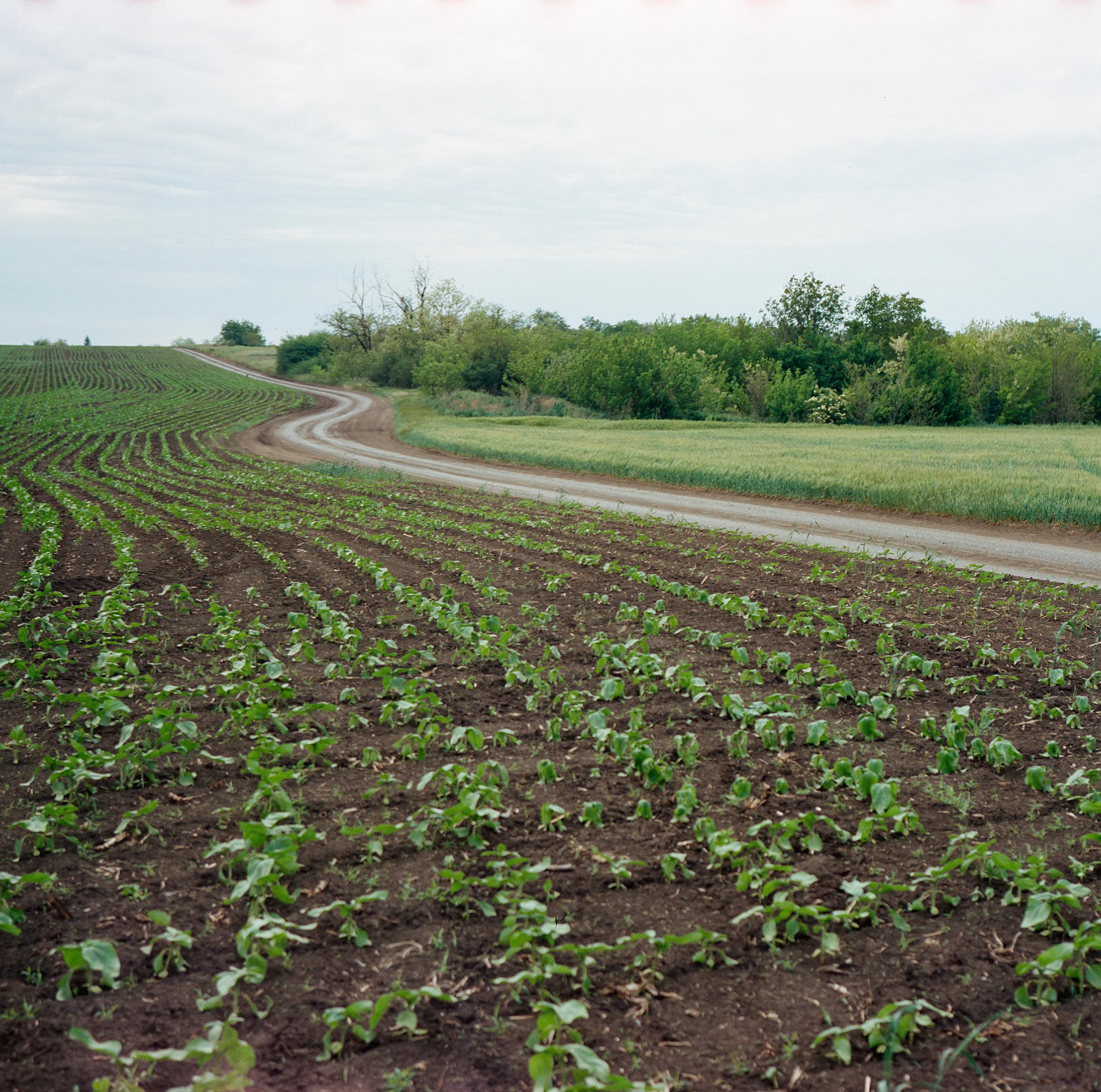
It focuses on the transformation of terrain where nuclear weapons were once stored underground and where cultivated farmland now stretches across the landscape. This seemingly peaceful, almost idyllic scenery coexists with the memory of the nuclear past and the reality of the war Russia is waging against Ukraine. It creates a tension between the visible and the obscured, between cultivated land and what it continues to conceal.
During the Cold War, Ukrainian black earth concealed missiles capable of destroying the world. They sprouted from the soil like secret vegetables, invisible yet filled with destructive power. In 1994, Ukraine signed the Budapest Memorandum, agreeing to give up the world’s third-largest nuclear arsenal in exchange for security assurances from the United States, Great Britain, and Russia. The nuclear disarmament process was completed in 1996. In 2014, Russia occupied Crimea and launched a war against Ukraine; in 2022, it launched a full-scale invasion. Today, questions surrounding that decision and the reliability of international security guarantees remain open.
Near Pervomaisk, at the site of a former missile base, Ukrainian, American, and Russian defence ministers planted sunflowers in the black earth during a symbolic ceremony marking the destruction of the last underground missile silo. It was intended to mark a transition towards a new, safe, and flourishing life.
Today, the former base is home to the Museum of Strategic Rocket Forces. Former officers work as tour guides, taking visitors to the underground command post, where they can press a simulated “red button” and launch an imaginary missile. The guided tour ends near the casing of one of the most powerful nuclear missiles of the Cold War era: the R-36M, known in the West as “Satan.”
The lack of publicly available information about nuclear disarmament left room for rumours, local legends, and fantasy. People said that after the missiles were dismantled, the soil became less fertile, cows began producing less milk, and strange potatoes grew in the fields – oddly shaped and with a metallic aftertaste. At the same time, some locals collected remnants of military equipment and sold them for scrap metal. Thus, the secret military infrastructure gradually became part of everyday life, its invisible presence wrapped in new stories.
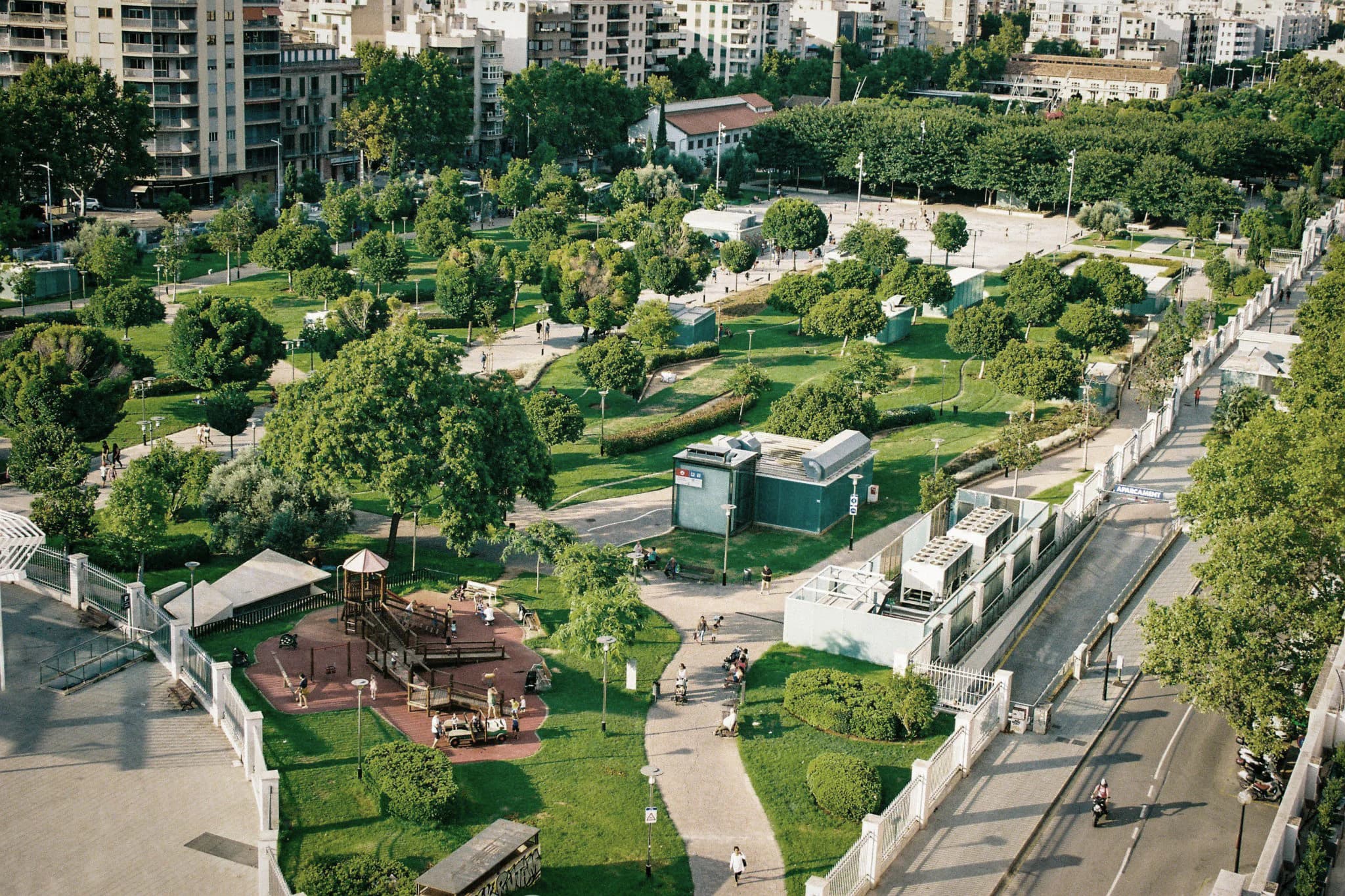
This project explores the gap between official history and collective memory through photomontage, combining photographs from the 1970s and 1980s, stills from 1990s television footage, Google Maps imagery, recorded testimonies from local residents, and sculptural objects. It approaches the landscape as a unique archive in which silence and speculation persist alongside the visible traces of the past.